
It’s a ‘Bad Day, Not a Bad Life’
A Scleroderma Survivor Finds Self-Love and Grace
KIMBERLY
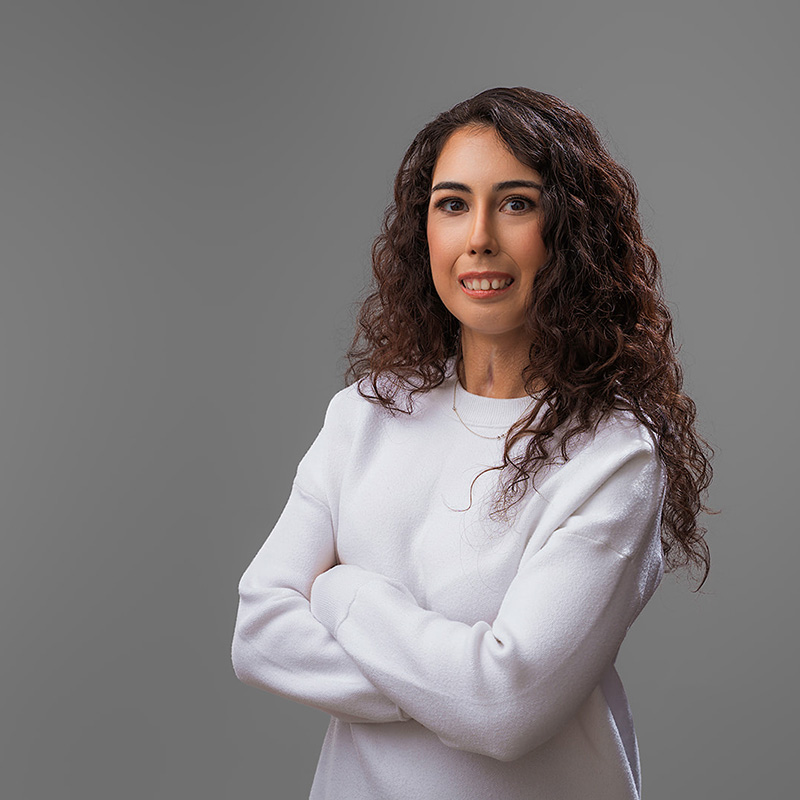
As a young child, Kimberly sensed something changing beneath the surface of her skin. While she didn’t yet have the language to describe the shifts taking place inside her body, her intuition told her something was amiss.
Over summer vacation before third grade, she went to the local lake with her family for a swim. “When I came out, my fingers were purple,” she recalls.
Her parents weren’t concerned at first because the color of her fingers perfectly matched her swimsuit. They thought the purple dye from her wet suit had rubbed off onto her skin.
But it wasn’t dye. It was Raynaud’s phenomenon – a medical condition that causes small blood vessels in the fingers and toes to overact to cold or stress. This overreaction causes observable color changes from white to blue to red, as well as numbness and pain.
Unfortunately, the Raynaud’s diagnosis didn’t solve her health mystery; it was the strongest clue yet from a body already beginning to change.
Another four years elapsed before Kimberly, at age 12, received the diagnosis that would redirect life’s trajectory: scleroderma, a rare autoimmune disease that causes the body to produce excessive collagen, leading to thickening of the skin and connective tissues. Over time, it can affect joints, blood vessels and internal organs.
Standing at the threshold of adolescence, Kimberly was forced to confront a sobering truth. While her peers were learning to move faster – through school, sports, friendships and ambitions – her body was teaching her the opposite lesson: the imperative of slowing down to accommodate physiological change.
In those early years, Kimberly found the most demoralizing part of scleroderma wasn’t necessarily the pain or chronic fatigue; it was the stiffness. The excess collagen caused her skin to lose elasticity, like shrink wrap around affected joints. Prolonged inflammation created fibrotic tissue, leading to further loss of range of motion.
Her body began to feel like a vessel holding her captive. Days began to blur together. Even though she gave her body the pauses it required, it wasn’t enough to deter the progression of the disease. In a life beset by physical challenges, it took years for Kimberly to overcome her greatest trial: the struggle for self-acceptance. “The discomfort forces you to be honest with yourself and really grow,” she says.
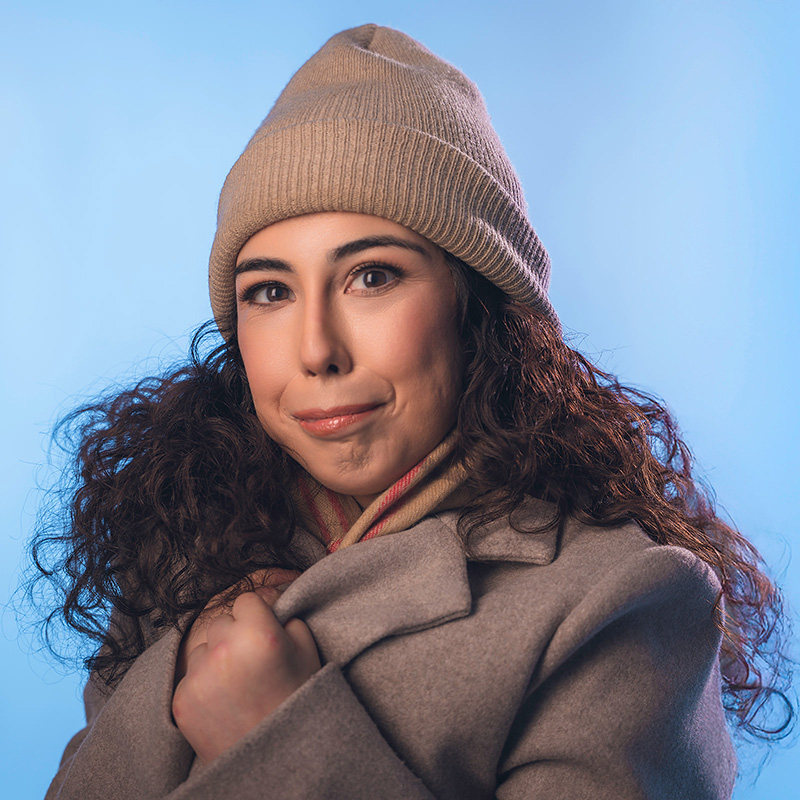
In those early years, Kimberly found the most demoralizing part of scleroderma wasn’t necessarily the pain or chronic fatigue; it was the stiffness. The excess collagen caused her skin to lose elasticity, like shrink wrap around affected joints. Prolonged inflammation created fibrotic tissue, leading to further loss of range of motion.
Humor sustained her through difficult days. Faith grounded her when fear crept in. As the daughter of hardworking parents who immigrated from Mexico, Kimberly decided to become a positive role model for her younger sister by demonstrating how discipline and determination could open doors.
Living with scleroderma meant accepting that not everything could be rushed, controlled or fixed. Over time, she found steadiness more sustainable than urgency. “I don’t panic the same way when things slow down,” she explains, reflecting on how her relationship with uncertainty has evolved.
She discovered that self-criticism only intensified the pain, and that led to a profound change in the way she speaks to herself. Before her diagnosis, she equated struggle with weakness. If her body couldn’t keep up, she defaulted to self-blame. But scleroderma forced her to confront that harsh inner voice.
“I thought struggling meant failing, and now I know that’s not true,” she says.
Eventually, compassion replaced judgment, which created room for self-love. Instead of seeing her body as betraying her, she now sees health episodes as her body trying to get her attention to ask for care. Her limitations have become her teachers, showing her how to rest without guilt, listen more intently and reframe adversity.
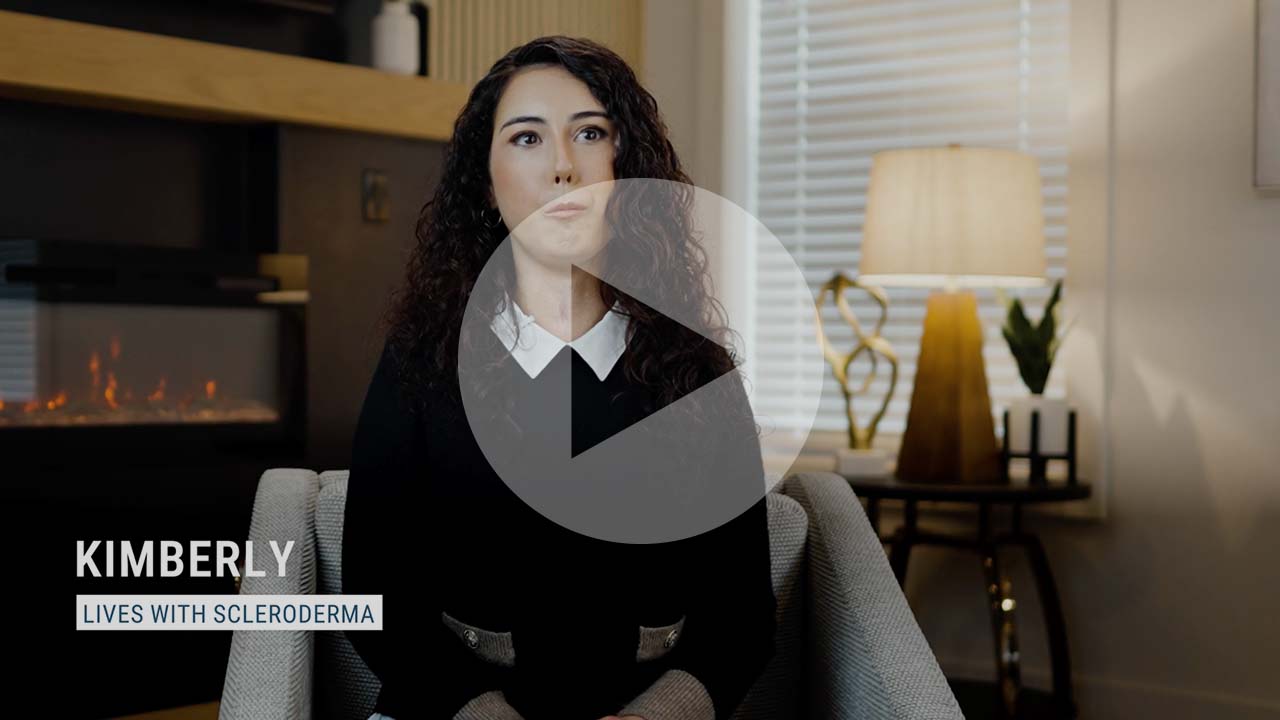
“I just went to a limb loss convention with the Amputee Coalition and people there don’t have legs and don’t have arms. I’ve lost fingers and I’ve lost my right toes, and it really widens my world. Just to see how many people have societal limitations … It’s beautiful to see how those limitations don’t stop people.”
She has made many sacrifices. She used to play the violin, but scleroderma caused her fingers to curl inward. Complications from Raynaud’s led to the partial amputation of seven fingers as well as toes on her right foot. While loss of digits is a traumatic medical event for anyone to endure, Kimberly’s extraordinary life has helped her reframe that loss.
“I just went to a limb loss convention with the Amputee Coalition and people there don’t have legs and don’t have arms,” she says. “I’ve lost fingers and I’ve lost my right toes, and it really widens my world. Just to see how many people have societal limitations … It’s beautiful to see how those limitations don’t stop people. It motivates me when I go to conferences because we’re all essentially fighting for the same thing, which is better healthcare.”
Kimberly’s scleroderma has moved beyond the skin and joints to impact major organs. She knows her condition may cut short her lifespan. She has accepted that and chooses to light a candle rather than curse the darkness.
“My inner organs are always dying,” she says. “Like my heart is a lot smaller than it should be. I don't get as much blood flow. My lungs and kidney: I don’t know how long I’ll live with them, so I’m making the most of it. It’s funny how life can take a turn like that and you change your mindset to be grateful every single day for the things that you can do.”
Kimberly’s most life-changing health episodes came several years ago when she suffered two strokes due to complications from antiphospholipid syndrome, which raises the risk of blood clots. Surviving the strokes transformed her perspective. The act of waking up each day became something sacred, giving rise to a new credo that she recites when normal autoimmune symptoms flare. The refrain is her little self-reminder that she has endured far worse: “It’s a bad day, not a bad life.”
Kimberley launched her Instagram platform with the handle @strong_selflove and released podcast episodes called Selflove Sister – a name inspired by her younger sister, whose humor and encouragement has carried her through her darkest moments. Kimberly shares life lessons and self-love meditations with thousands of followers also navigating chronic illness. Some episodes are translated into Spanish, ensuring that her message reaches the communities that shaped her upbringing.
Kimberly speaks about survival with clarity, courage and humor. Moving slower, she has learned, doesn’t mean losing, because life is not a race to be won. Trauma can be a valuable teacher. But sustained spiritual growth often bubbles beneath the surface over time, long before anyone else can see it.
This story reflects the personal experience of an individual living with scleroderma. The views and experiences expressed are their own. Nkarta shares patient stories to raise awareness and does not provide medical advice or endorse any specific treatment or individual course of care. The individual received compensation from Nkarta for their participation in this story, which was developed in collaboration with Nkarta. Individuals should consult qualified healthcare professionals for medical guidance.