
A Scleroderma Survivor Discovers the Power of Self-Advocacy and the Joy in Helping Others
A Rheumatologist Who Listens, a Husband Who Truly Cares, and a Support Group to Guide Give Vernita Hope and Purpose
Vernita
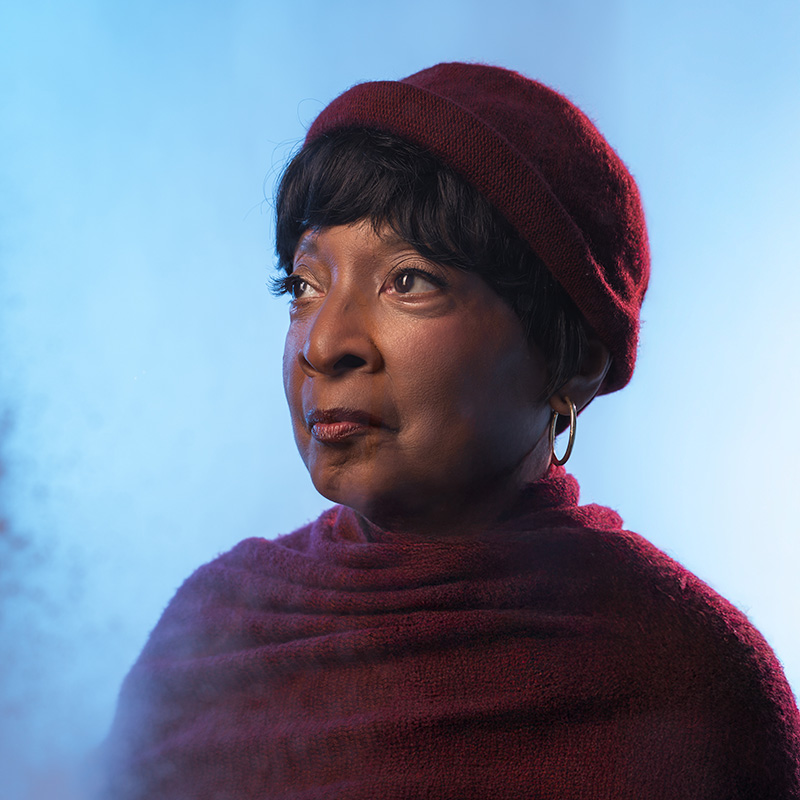
“To live with scleroderma, for me, is a fight.”
Vernita doesn’t say it dramatically, but with the calm certainty of someone who has been living this truth every day for years. For her, the fight isn’t just about surviving the disease but holding the line—protecting the parts of her body and her life that scleroderma hasn’t yet taken.
For Vernita, the battle began quietly. In December 2007, she was sitting in the waiting area of an auto dealership while her car was being serviced when something strange happened. Her hands began to swell.
“That had never happened before,” she recalls. Over the following days, the swelling didn’t fade. Joint pain followed and then a rash appeared – uninvited guests that arrived without notice or explanation.
Something was clearly wrong, but medical personnel had difficulty giving her a cause. One doctor dismissed the symptoms as water retention and prescribed diuretics that did nothing. Another tested her for arthritis, thyroid disease, gout, and lupus.
“When he said lupus, my heart sank,” Vernita recalls. But the tests came back negative.
Meanwhile, her health continued to decline. Frustration grew as months passed without answers. The longer the mystery stretched on, the more she questioned whether she could trust what her own body was telling her.
Finally, nearly a year later, during a routine physical exam, she mentioned the symptoms again. By coincidence, the mother of the doctor conducting her exam had recently been diagnosed with a rare autoimmune disease with similar presentation. She recognized the signs immediately and referred Vernita to a rheumatologist.
Vernita’s instincts proved right. Soon after, she had her answer: Scleroderma.
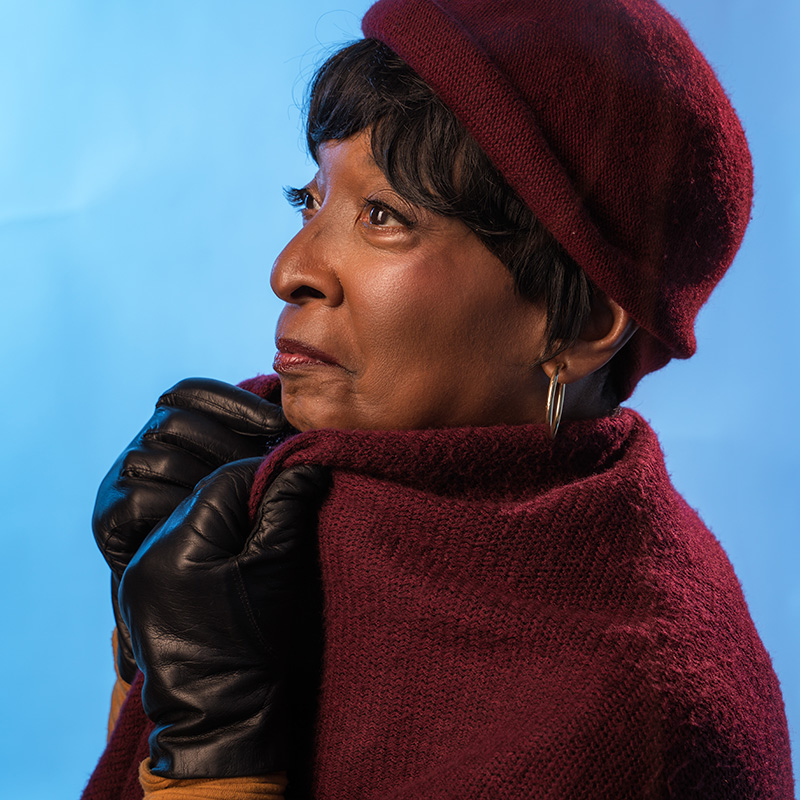
Scleroderma reshapes the body in ways many people never see. It can tighten tissue, contract the hands, inflame joints, scar lungs, and disrupt digestion. Pain shows up as inflammatory arthritis in Vernita’s hands and feet. She has become an expert in adaptation. Because of Raynaud’s syndrome, cold temperatures can turn her fingers blue and damage tissue. You’ll often find her wearing gloves and socks indoors, even to bed in the summer.
Relief came first but fear soon followed. Her first rheumatologist told her the disease was progressing quickly. Later, another specialist bluntly informed her she would need a cardiologist, a pulmonologist, and other specialists to manage care. The emotional weight of the diagnosis wasn’t just about the disease itself; it was also the feeling of being rushed, dismissed, and overwhelmed by a medical system that seemed to move faster than she could process.
“I got on the highway, and I was in tears,” Vernita explains. “I was like, what am I going to do?”
Vernita learned that living with a rare autoimmune disease meant learning to trust her own instincts and questioning her care team. Eventually, she found a rheumatologist who listened to her, and that changed everything.
When pulmonary test numbers sharply dropped and a pulmonologist minimized the drastic change, she requested copies of all test results and brought them directly to her rheumatologist. He took the concern seriously and ordered additional imaging. The scan revealed interstitial lung disease: inflammation in her lungs caused by scleroderma.
That moment reinforced something Vernita now carries with her every day: When you live with a disease like scleroderma, you cannot afford to be a passive participant in your care.
You must advocate for yourself.
Scleroderma reshapes the body in ways many people never see. It can tighten tissue, contract the hands, inflame joints, scar lungs, and disrupt digestion. For Vernita, fatigue is one of the most unpredictable daily symptoms.
“For me, a flare is like when someone just sucks all the energy out of your body,” she describes. “It almost feels like the onset of a flu…you just have no energy. The only thing you can do is sleep it off.”
Cold weather, stress, storms, or simply doing too much can trigger a flare. “It’s not anything that you can control,” she shares.
Pain shows up as inflammatory arthritis in her hands and feet. Her fingers now curl slightly and no longer lay flat.
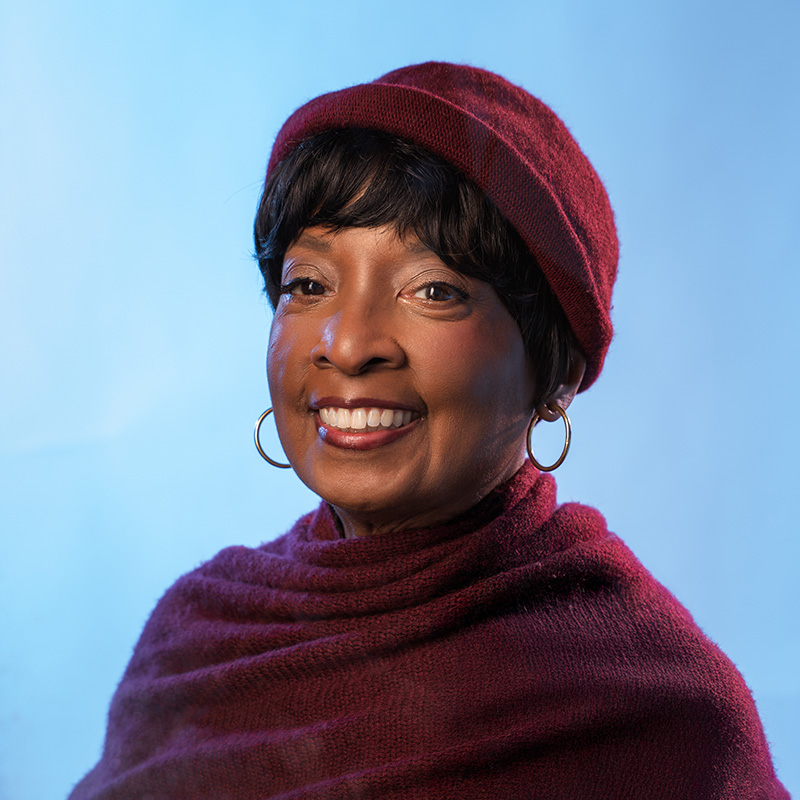
Vernita joined a scleroderma support group where people living with the same disease share advice, encouragement, and understanding. Helping others gave her something powerful: purpose beyond her own symptoms. Even when she feels anxious about shaking hands with someone because her fingers are stiff or cold, she pushes herself to reach out. “Look outside of yourself. Try to help someone else,” she says.” And you’ll find joy in just doing that.”
Vernita has become an expert in adaptation. Because of Raynaud’s syndrome, cold temperatures can turn her fingers blue and damage tissue. You’ll often find her wearing gloves and socks indoors, even to bed in the summer.
Jar openers, rubber grips, and thick pens help compensate for stiffness in her hands. She even requested pulmonary rehabilitation to strengthen her lungs.
“You learn how to adapt and do workarounds or find tools to help get through the day,” she adds.
Through years of managing the disease, Vernita has also learned that treatments rarely work the same way for everyone. She researches her medications and supplements carefully because side effects often affect her strongly. Some medications have helped temporarily; others caused reactions she simply couldn’t tolerate. “One size does not fit all,” she says.
That reality is why she strongly supports clinical research. In her mind, the goal is simple: better options that might give her more flexibility in her hands, reduce stiffness, restore energy, and clear her lungs “without horrible side effects,” she says.
Vernita does not face this journey alone. She has been married for 38 years.
“He’s been very supportive,” she says of her husband. Early in her diagnosis, before leaving for a military deployment overseas, he searched for tools that might make her daily life easier. One of them was an automatic jar opener.
“I was blown away,” Vernita remembers. “I was like, ‘Wow, he really cares.’”
Support in Vernita’s life doesn’t come only from humans; it also comes from two small, determined companions who refuse to let her stay still: Her miniature schnauzers.
“They motivate me to walk,” she says with a laugh. “You can’t just stay in bed all day and ignore them.”
On days when fatigue threatens to win the fight, the dogs pull her back into motion: one step, one walk, one moment at a time.
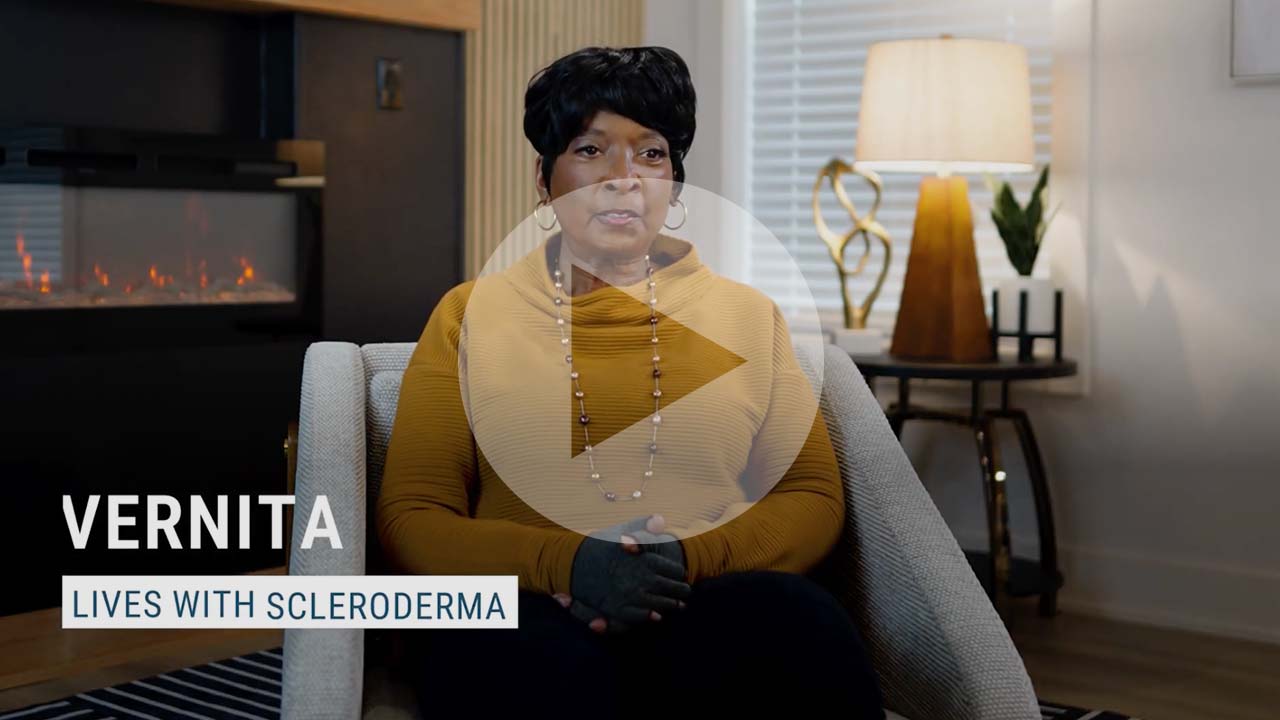
Community has also played a critical role in her life. Vernita joined a scleroderma support group where people living with the same disease share advice, encouragement, and understanding that only fellow patients can provide. Over time, she began helping facilitate meetings herself.
Helping others gave her something powerful: purpose beyond her own symptoms. That sense of purpose is deeply connected to Vernita’s faith. Through prayer, she chooses to focus on light instead of loss.
Every day she writes in a journal filled with personalized scriptures given to her by a cousin. In it, she records small moments of gratitude: a stranger lifting something heavy into her cart, kind neighbors checking in on her, or someone offering a compliment on a day she feels self-conscious about her appearance.
She tries to answer kindness with kindness. Even when she feels anxious about shaking hands with someone because her fingers are stiff or cold, she pushes herself to reach out. Despite the stiffness, the breathlessness, and the uncertainty that comes with a disease like scleroderma, Vernita has built a life supported by a carefully assembled toolbox: adaptation, faith, community, and service.
She refuses to let the disease define her story. For Vernita, the fight isn’t just about surviving illness. It’s about living deliberately within it.
“Find something that you like to do,” she encourages. “Look outside of yourself. Try to help someone else. And you’ll find joy in just doing that.”
This story reflects the personal experience of an individual living with scleroderma. The views and experiences expressed are their own. Nkarta shares patient stories to raise awareness and does not provide medical advice or endorse any specific treatment or individual course of care. The individual received compensation from Nkarta for their participation in this story, which was developed in collaboration with Nkarta. Individuals should consult qualified healthcare professionals for medical guidance.